
The Portland Pudgy lasts for decades, stays unsinkable even when swamped or punctured, and eliminates most of the recurring costs that make inflatables far more expensive in the long run.
Introduction
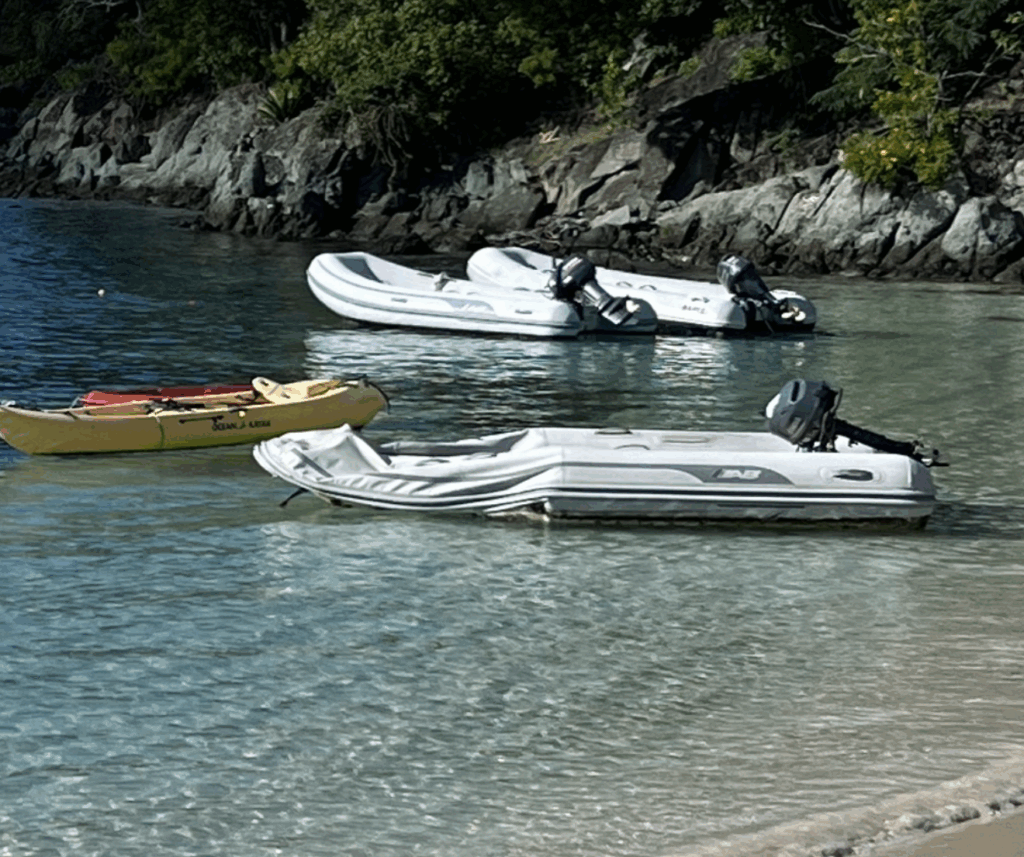
Inflatable dinghies dominate many marinas because they’re inexpensive at first glance — but the real long-term cost of ownership tells a different story. Cruisers who evaluate durability, safety, and total lifecycle cost often discover that a hard dinghy like the Portland Pudgy is not only more reliable, but dramatically less expensive over time.
This article compares inflatable dinghies and the Portland Pudgy honestly and clearly, so you can decide which tender is right for your boat, crew, and adventures.
1. Lifespan: Why Dinghies Fail
Inflatables: 5–10 years (typical)
Even with careful maintenance, inflatables eventually fail due to:
- UV degradation
- Seam separation
- Air leaks
- Valves, fabric, or floor deterioration
- Abrasion from towing or beaching
Every cruiser has seen a deflated dinghy in a marina — and many have owned one.
Portland Pudgy: 20+ years
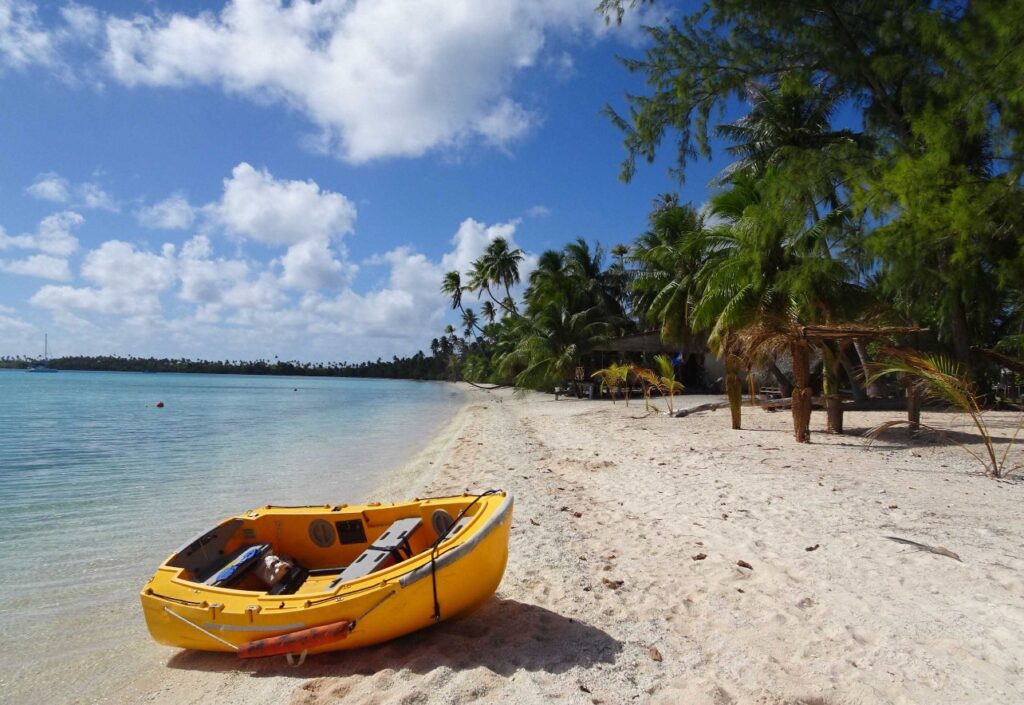
The Pudgy is rotomolded from UV-stable, virtually indestructible polyethylene.
There are no seams, valves, tubes, or air chambers to fail. It will never deflate.
Result:
Over 20–30 years, most Pudgy owners spend less than the cost of replacing two inflatables.
2. Safety: What Happens When Something Goes Wrong?
Inflatables
- A puncture can deflate a chamber in minutes.
- Hard landings, coral, dogs, fishing hooks, and UV can all cause failure.
- When overloaded or underinflated, inflatables become unstable and some “taco.”
- Temperature changes cause variations in rigidity, requiring “topping up” pumping
Portland Pudgy
- Completely unsinkable, even swamped.
- Double-hull construction provides massive built-in buoyancy.
- Stable boarding platform, even for tired swimmers or pets.
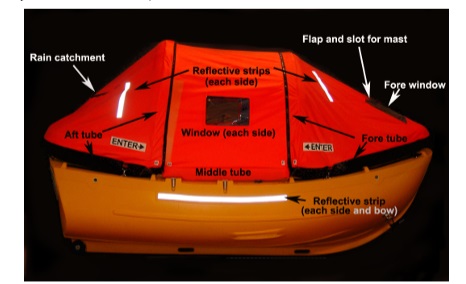
- Optional Exposure Canopy and Lifeboat Module create a true “sailor’s lifeboat.”
For cruisers, safety isn’t a feature — it’s the whole point of having a tender.
3. Rowing, Motoring & Towing Performance
Inflatables
- Difficult to row. Most owners don’t even try.
- Drag when towing often causes porpoising or flipping.
- Motor performance depends entirely on keeping tubes inflated to max PSI.
Portland Pudgy
- Rows beautifully — hull design is optimized for efficiency.
- Tows straight and stable with minimal drag.
- Performs well with small outboards or electric motors.
- Offers a full sailing kit for silent, fuel-free travel.
A tender you can actually row is an asset every day on the water.

4. Storage & Practical Use
Inflatables
- Take up significant deck space when fully inflated.
- Require pumps, valves, covers, and constant care.
- Folding them is unpleasant, messy, and often damaging.
Portland Pudgy
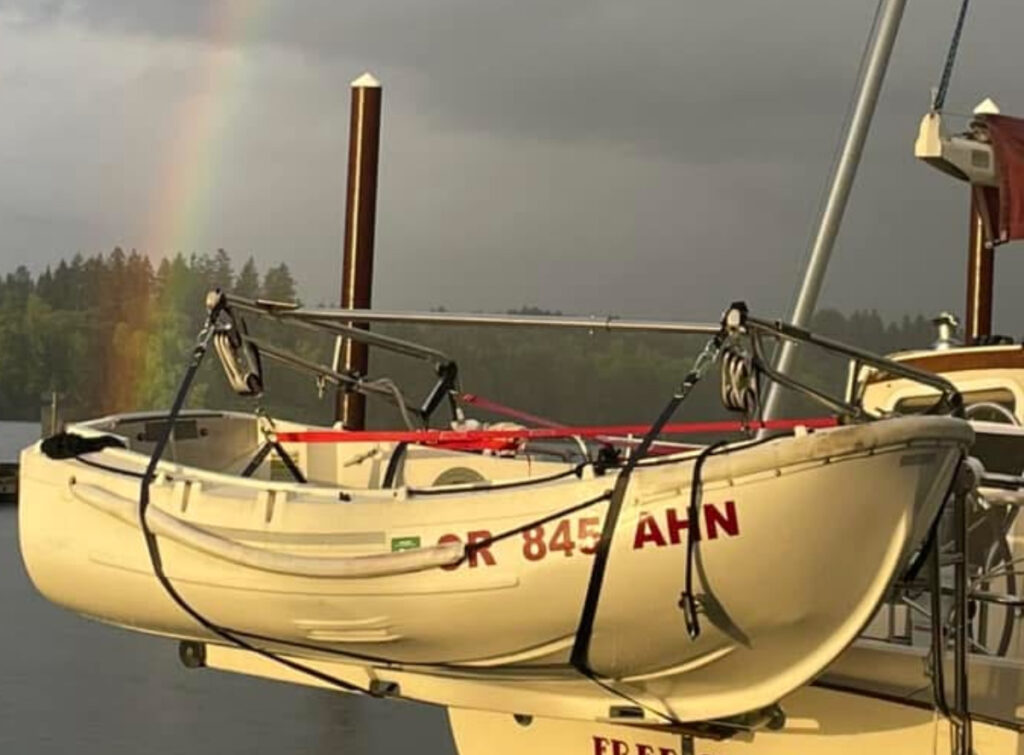
- Stows on davits, foredeck chocks, cabin top, or on a trailer.
- No inflation/deflation cycles.
- Always ready — no prep time.
5. The Real Cost of Ownership
Over 20 years:
| Cost Type | Inflatable Dinghy | Portland Pudgy |
|---|---|---|
| Initial price | Lower | Higher |
| Repairs | Frequent | Minimal |
| Replacement | 2–3 replacements | None |
| Safety risk | High | Extremely low |
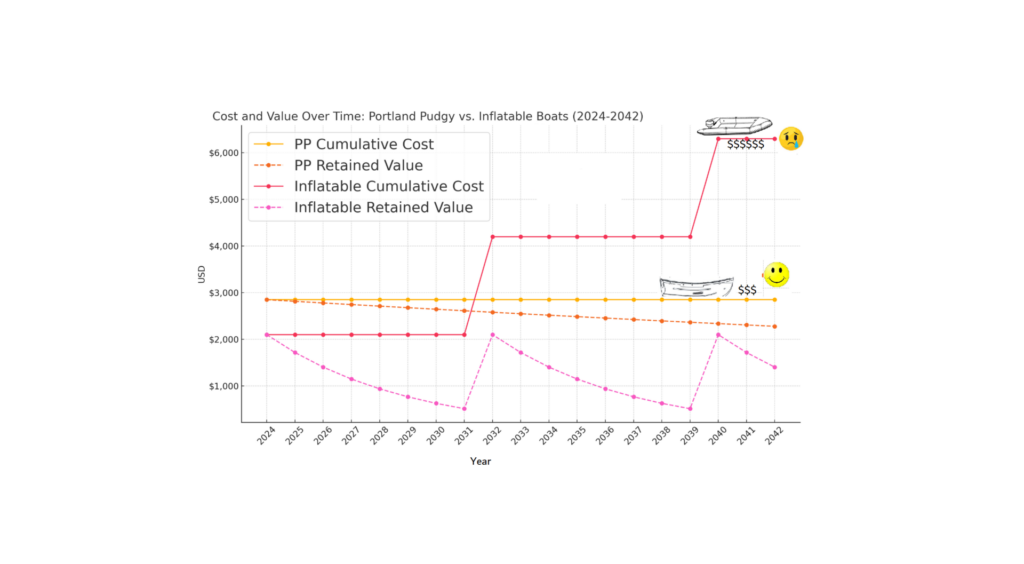
| Total 20-year cost | 3–4× purchase price | ≈ initial purchase price |
The cheapest dinghy is almost never the cheapest one to own.
Conclusion
If you sail long enough, you’ll replace your inflatable — probably more than once. A Portland Pudgy doesn’t deflate, doesn’t rot, and doesn’t fail when you need it most.
For cruisers who value safety, reliability, and total ownership cost, the Pudgy is the tender built to last.